Why is my IBS so unpredictable?
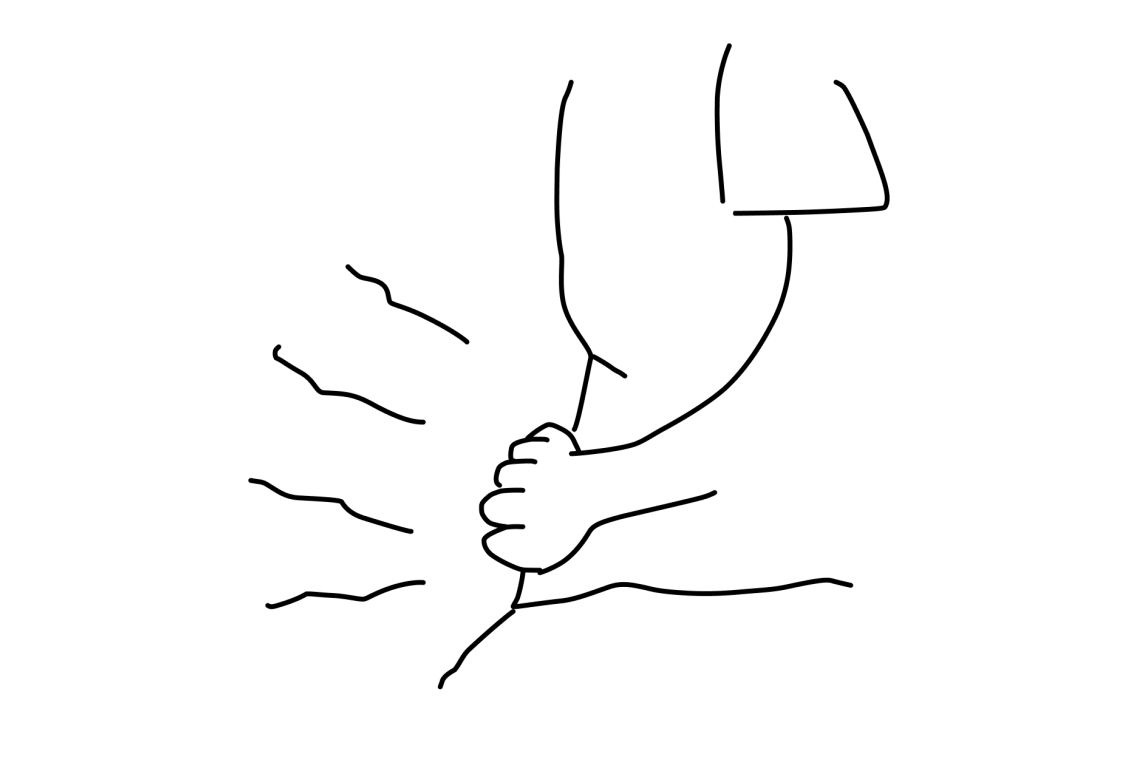
The frustration of a moving target
A meal that’s harmless on Monday leaves you doubled over on Thursday. Nothing obvious has changed, yet your gut seems to be rolling dice.
There’s a reason for this: IBS has no single cause. It emerges from several systems working at once — how your gut muscles move, how sensitive your gut is, the bacteria living inside it, and the constant conversation between your gut and your brain. Each of these can shift from day to day, and they overlap in different combinations. That’s why your symptoms can feel completely different from one day to the next, even when your diet hasn’t.
Understanding those systems is the first step to seeing the pattern underneath the randomness.
The systems that drive IBS
The gut–brain axis
Your gut and brain are in constant two-way communication. Changes in this signalling can make the gut more sensitive and alter how it moves. Stress, poor sleep, diet and hormones all feed into it — which is why symptoms can flare with a stressful week or a bad night’s sleep even when nothing about your food has changed.
Gut motility
Motility is the rhythmic muscular contraction that moves food and waste through your intestines. When the speed or strength of those contractions changes, bowel movements can speed up or slow down — producing diarrhoea, bloating, constipation, urgency, or the feeling of incomplete emptying. In IBS, altered motility is both a driver of symptoms and, in part, a downstream effect of the other systems below, which is one reason it’s so hard to pin to a single cause.
Gut sensitivity
Sensitivity is how strongly you register what’s happening inside your gut. A more sensitive gut perceives normal amounts of gas or movement as uncomfortable or painful — so the pain can seem disproportionate to what you actually ate.
Crucially, sensitivity isn’t fixed. Everyone has a personal baseline, but stress, poor sleep, and hormonal changes can all turn the dial up temporarily. The same amount of gas can be barely noticeable one week and genuinely painful the next.
The gut microbiome
Trillions of bacteria in your gut help digest food, support your immune system, and contribute to the production of neurotransmitters. Some people with IBS have an imbalance in these bacteria (dysbiosis), which can affect digestion, gas production, gut barrier function and signalling — sometimes leading to low-grade inflammation. This is why bloating and gas don’t always track cleanly with specific foods.
The role of serotonin
Many of these effects run through a single messenger: serotonin. Around 90% of the body’s serotonin is produced in the gut, where it helps regulate movement, fluid secretion and pain perception. Changes in serotonin signalling are thought to contribute to IBS. In diarrhoea-predominant IBS (IBS-D), increased serotonin can accelerate motility, driving diarrhoea and urgency. In constipation-predominant IBS (IBS-C), reduced serotonin signalling can slow things down, contributing to constipation and delayed transit.
Why the same food affects you differently
If one meal can produce different results on different days, it’s because a food’s effect depends on more than the food itself — it depends on the state of your gut when you eat it:
- Meal size and the threshold effect — a small portion of a fermentable food eaten alongside fat and protein may be fine, while a larger portion on an empty stomach tips you over the edge. Many intolerances are fine in small amounts and only become a problem past a certain quantity.
- Your microbiome — gut bacteria ferment undigested food and produce gas as a byproduct. Stress, sleep, recent diet and antibiotics shift the balance of species, so the same food can produce more or less gas from one day to the next.
- Your current gut sensitivity — after poor sleep, during a stressful stretch, or around your period, you’ll register the same gas or gut activity as more painful.
- Where you are in your cycle — the drop in oestrogen and progesterone before your period can increase both gut movement and sensitivity, making symptoms worse in the days leading up to and during menstruation.
The theme running through all of these is that factors stack. Any one of them might be tolerable alone; a late night, a stressful meeting and a larger lunch together can push you past your threshold — even though none of them would have on their own. It’s also why food diaries so often fail to reveal a consistent culprit.
Known factors that contribute to IBS
The section above explains the mechanisms. Zooming out, research has identified a shorter list of common contributors — the inputs that most often feed into those mechanisms. FODMAPs are fermentable carbohydrates found in a wide range of foods; they’re rapidly fermented by gut bacteria, producing gas and drawing water into the bowel. Alongside them:
- Stress and anxiety — alter motility and sensitivity via the gut–brain axis.
- Hormonal changes — cycle fluctuations affect motility and sensitivity, with some limited evidence of perimenopausal and postmenopausal effects too.
- Disrupted sleep — motility follows a circadian rhythm, so irregular sleep can affect both movement and sensitivity.
- Previous gut infections — some people develop post-infectious IBS after a bout of gastroenteritis.
- Certain medications, such as antibiotics — alter the microbiome, which in turn disrupts digestion, gas production and motility.
No single one of these triggers IBS consistently across everyone. They’re ingredients that combine differently in different people — and differently in the same person from week to week.
Understanding your own pattern
Here’s the practical problem: most of these inputs are invisible in the moment. You remember the meal, but not that you slept badly, or that your baseline gut activity was already elevated before you sat down to eat. The randomness isn’t that there’s no cause — it’s that the causes are hidden.
Because IBS involves so many overlapping systems, no single measurement tells the whole story — but looking at those systems together, continuously, over time can help make hidden patterns visible. This is the idea at the heart of what we do at DigeHealth: bringing these signals together may assist people living with IBS in understanding their own gut activity. We’re also researching what that can tell us about why symptoms vary so much from person to person.
Each of the systems described above leaves a trace you can track:
- Bowel acoustic patterns → gut motility. The sounds your gut makes as it contracts and moves are a direct, non-invasive window into motility — the rhythmic activity that speeds up or slows down during a flare.
- Heart rate variability → the gut–brain axis. HRV reflects the balance of your autonomic nervous system, giving an indicator of the gut–brain interaction and stress load that can turn up gut sensitivity and shift motility.
- Sleep → sensitivity and circadian rhythm. Because motility follows a daily rhythm and poor sleep lowers your threshold for discomfort, tracking sleep helps explain why the same day’s food lands differently.
- Menstrual cycle → hormonal changes. Through third-party integrations, cycle phase can be tracked alongside everything else — so the pre-period rise in sensitivity shows up as context rather than a mystery.
- Ingredient-level food logging → FODMAPs and the threshold effect. Logging meals down to individual ingredients makes it possible to see which specific FODMAPs line up with symptoms, and at what quantity — rather than blaming a whole food group or coming up empty in a food diary.
Seen side by side, the inputs that felt invisible in the moment start to line up. The goal isn’t to eliminate every trigger. It’s to understand your own thresholds well enough that fewer days catch you by surprise.
When symptoms may mean something else
Some signs are not consistent with IBS and should be assessed by a healthcare professional, regardless of an existing IBS diagnosis. These include blood in the stool, unintentional weight loss, symptoms that persistently wake you during the night, ongoing fever, anaemia, or a strong family history of bowel cancer.
Common questions
Why do I have IBS for no reason? IBS can flare without an obvious trigger because there’s no single cause. Altered motility, gut sensitivity, the microbiome and gut–brain signalling can all shift day to day based on sleep, stress and hormones — even when your diet has stayed the same.
Can IBS symptoms change every day? Yes. Motility, sensitivity and the gut–brain axis each fluctuate independently, which is why IBS rarely follows a predictable daily pattern.
Why does the same food sometimes cause symptoms and sometimes not? Because a food’s effect depends on the state of your gut at that moment. Meal size and composition, the balance of your microbiome, your current sensitivity, sleep, stress and cycle phase all change how the same food is tolerated. That’s why food diaries often don’t show a consistent pattern.
Does stress cause IBS or make it worse? Stress doesn’t cause IBS, but it can affect gut sensitivity (thought to occur via the release of corticotrophin-releasing hormone), motility, serotonin production, the gut barrier and the microbiome. Each of these can worsen symptoms — and symptoms can worsen stress in return, creating a two-way relationship.
Why is my IBS worse before my period? The drop in oestrogen and progesterone in the late luteal phase can increase gut sensitivity, so normal gut activity registers as more painful. At the onset of your period, prostaglandins released by the uterus can also stimulate gut contractions. This happens in women without IBS too — but with IBS these effects land on top of already-heightened sensitivity, which is likely why the combination feels so much more intense.
This is general information, not medical advice. If you notice any of the warning signs above, or your symptoms change, speak to a healthcare professional.
DISCLAIMER: DigeHealth is a general wellness product, not a medical device. It cannot monitor or diagnose IBS or any other disease, and it is not intended to treat one. DigeHealth may assist people living with IBS in understanding how their gut activity relates to their sleep, stress, food and cycle.
References
- Nathani RR, Sodhani S, Goosenberg E. Irritable Bowel Syndrome. [Updated 2025 Nov 30]. In: StatPearls [Internet]. Treasure Island (FL): StatPearls Publishing. Available from: https://www.ncbi.nlm.nih.gov/sites/books/NBK534810/
- Mendivil-Sáenz SP, Remes-Troche JM. Current concepts in the pathophysiology of irritable bowel syndrome: from intestinal motility to the gut–brain axis. Clín Gastroenterol Méx (Eng). 2025;1:9-20.
- Aggeletopoulou I, Papantoniou K, Pastras P, Triantos C. Unraveling the Pathophysiology of Irritable Bowel Syndrome: Mechanisms and Insights. Int J Mol Sci. 2025;26:10598.
- Bharadwaj S, Barber MD, Graff LA, Shen B. Symptomatology of irritable bowel syndrome and inflammatory bowel disease during the menstrual cycle. Gastroenterol Rep. 2015;3:185-193.
