Build on decades of clinical understanding.
DigeHealth is grounded in peer-reviewed gastroenterology and multi-modal signal processing. We didn’t invent listening to bowel sounds, but we have made it wearable, continuous, and personal.
How It WorksDigeHealth is grounded in peer-reviewed gastroenterology and multi-modal signal processing. We didn’t invent listening to bowel sounds, but we have made it wearable, continuous, and personal.
How It Works





Recordings from our wearable, each shown as its own spectrogram. Press one to listen.
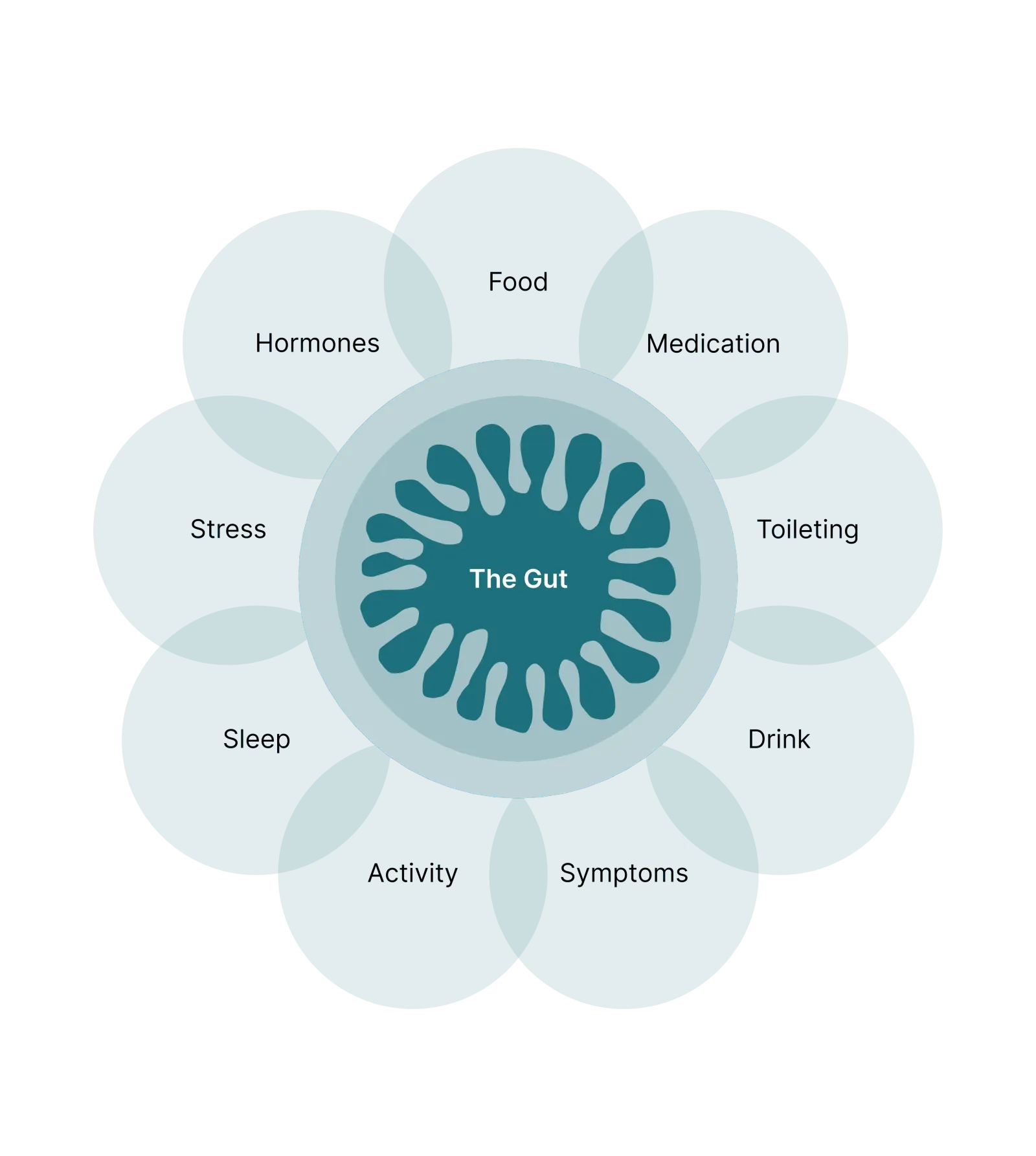
We don’t analyse bowel sounds in isolation. Every sound is put in context alongside the things that act on the gut like what you eat and drink, how you slept, your stress throughout the day, how much you moved.
Sound gives us an objective, continuous readout of the gut itself while the other streams tell us what it is responding to. Together they build a model of your digestion that is unique to you.
Our models are being developed and validated in collaboration with university & hospital gastroenterology departments and through continuous real-world wearable data.
Published, peer-reviewed work from members of our team in collaboration with our clinical partners.